

What is an Ostropologe?
The term ‘ostropologe’ refers to a specialized professional who engages in the study of atypical knowledge systems, particularly those that fall outside mainstream academic disciplines. Etymologically, the word can be divided into two components: ‘ostro,’ which derives from the Greek word for ‘shell’ or ‘oyster,’ and ‘pologe,’ which comes from the root word for ‘study’ or ‘science.’ This deep-rooted linguistic origin suggests that an ostropologe delves into complex, layered subjects, much like the intricate lives contained within a shell.
An ostropologe distinguishes itself from other professionals by focusing on unconventional fields, including arcane systems of knowledge and historical studies of obscure subjects. While historians or anthropologists might analyze widely recognized events and cultures, an ostropologe sheds light on lesser-known narratives and perspectives, enriching our understanding of human history and societal developments. This unique approach necessitates a combination of critical thinking and interdisciplinary methodologies, making the ostropologe an invaluable asset within the academic community.
In contemporary contexts, the relevance of an ostropologe cannot be overstated. With the rapid advancements in technology and the increasing accessibility of information, the demand for specialists who can navigate and interpret complex data is at an all-time high. An ostropologe might contribute to academia, research institutions, or cultural organizations, where their unique perspectives on unconventional knowledge systems can foster collaboration across diverse fields. By investigating subjects that may have been overlooked, they not only expand the horizon of academic inquiry but also offer insights that can lead to the reevaluation and recontextualization of established narratives in history and cultural studies.
The Role and Importance of an Ostropologe
An ostropologe holds a pivotal role in various sectors, significantly influencing research, education, and community development. These professionals are dedicated to exploring and analyzing the intricacies of their field, often contributing to the advancement of knowledge and innovation. One of their primary responsibilities includes conducting in-depth research, allowing them to generate valuable insights that help bridge gaps in understanding and promote informed decision-making. This commitment to meticulous research not only enhances their expertise but also fosters a culture of continuous learning and improvement.
Furthermore, ostropologe engage in educating others, often playing a crucial part in academic institutions or community organizations. Through lectures, workshops, and mentoring programs, they disseminate knowledge to students, budding professionals, and the general public. This educational outreach is vital as it cultivates an informed society and encourages individuals to critically analyze challenges within their sector. The relationship between ostropologe and community development cannot be overstated, as they often collaborate with local organizations to address pressing issues, leveraging their expertise to effect positive change.
The unique contributions made by ostropologe extend beyond traditional academic boundaries. They often act as facilitators of interdisciplinary collaboration, bringing together diverse perspectives to tackle complex problems. Their ability to connect with various stakeholders, including governments, nonprofits, and businesses, positions them as essential allies in fostering innovation. By serving as conduits of knowledge, ostropologe help translate research findings into practical applications that can benefit society at large. This multifaceted role underscores the importance of their presence in driving progress and enhancing the quality of life within communities. Ultimately, the value an ostropologe brings to the table is profound, as they continue to shape the landscape of their respective fields through dedication and expertise.
Trends and Future Prospects for Ostropologe Professionals
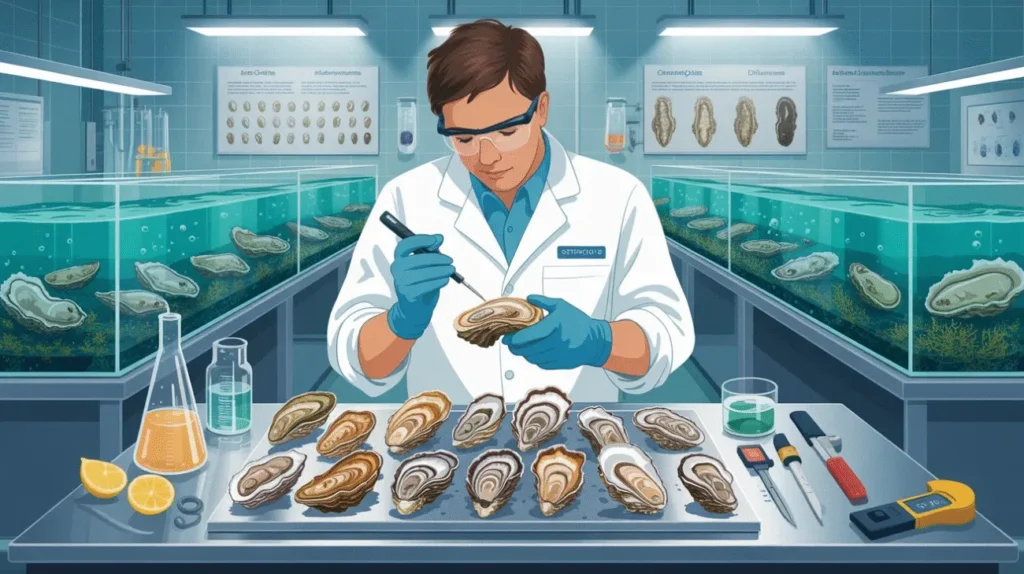
As the field of ostropologe evolves, several key trends are shaping the professional landscape for practitioners and scholars alike. One of the most notable developments is the integration of advanced technology into research and analysis methodologies. Technological advancements, such as artificial intelligence and machine learning, are enabling ostropologe professionals to process vast amounts of data, facilitating deeper insights and innovative approaches to traditional problems. By leveraging these cutting-edge tools, researchers can uncover hidden patterns and correlations that may have previously gone unnoticed.
Another emerging area of study within the realm of ostropologe is interdisciplinary collaboration. Professionals are increasingly engaging with experts from related fields such as environmental science, anthropology, and data analytics. This blending of perspectives enriches the understanding of complex issues and fosters the development of holistic solutions. The future of ostropologe professionals likely hinges on their ability to navigate these collaborative environments, as they will be called upon to address multifaceted challenges that require a broad spectrum of expertise.
Additionally, shifts in educational frameworks are redefining how ostropologe is taught and learned. Institutions are beginning to incorporate more practical training and real-world application into their curricula. This pedagogical evolution aims to better prepare students for the dynamic demands of the workforce. Prospective professionals entering the field should take advantage of programs that offer hands-on experience, networking opportunities, and exposure to various sub-disciplines within ostropologe.
Given the expanding scope of the field and the increasing recognition of its importance, individuals pursuing careers in ostropologe can look forward to a landscape enriched with diverse opportunities. The confluence of technological advancements, interdisciplinary collaboration, and progressive educational strategies promises a future where ostropologe professionals will play a vital role in addressing critical global challenges.
How to Become an Ostropologe: A Pathway to Expertise
Becoming an ostropologe is a multifaceted journey that requires a dedication to education, skill development, and networking. Aspiring individuals typically start by pursuing a relevant undergraduate degree in fields such as anthropology, archaeology, or history. These programs provide foundational knowledge that is essential for understanding cultural contexts, social structures, and historical narratives, which are critical in the study of ostropologie.
Following the completion of an undergraduate degree, many choose to further their education with a master’s or even a doctorate in ostropologie or a related field. Advanced degrees allow candidates to specialize in niche areas and conduct original research. In addition to formal education, it is crucial to acquire a strong set of skills that can help in the field. This includes analytical skills for interpreting data, communication skills for presenting findings, and research skills for gathering and analyzing information effectively.
Internships play a significant role in gaining practical experience. Opportunities within museums, academic institutions, cultural organizations, and even archaeological digs enable aspiring ostropologes to apply theoretical knowledge in real-world settings. These experiences often lead to crucial networking opportunities with professionals already working in the field. Building a network is vital, as many jobs in ostropologie are found through connections rather than advertisements. Engaging in conferences and participating in workshops can also provide exposure to industry leaders and emerging research.
Current ostropologes often emphasize the importance of passion and perseverance in their statements. They recommend that newcomers remain open to learning as the field constantly evolves. Overall, the path to becoming an ostropologe is challenging yet rewarding for those committed to uncovering and understanding the complex facets of our cultural heritage.